
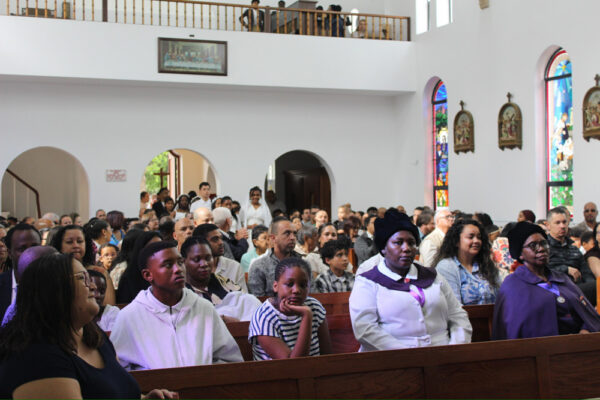
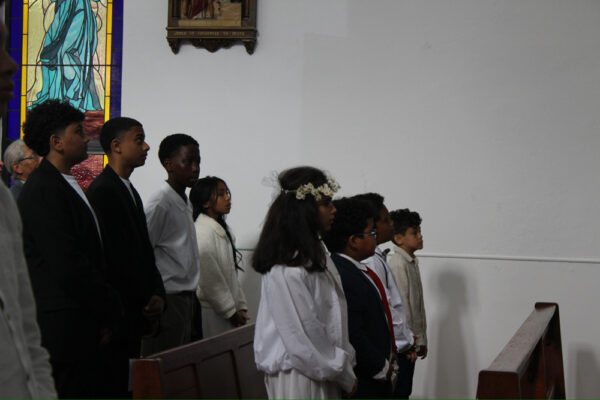
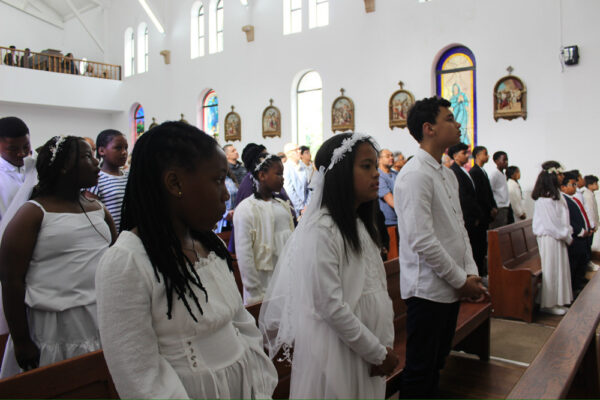
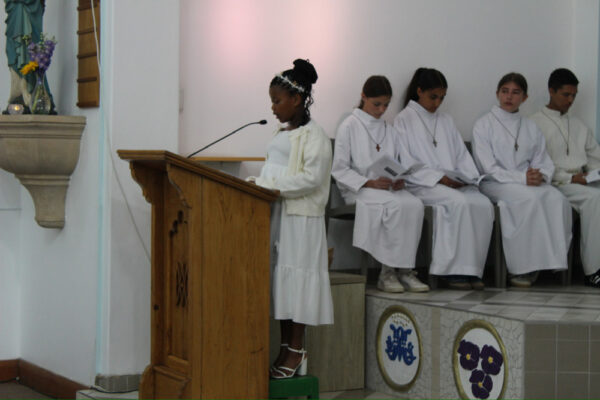
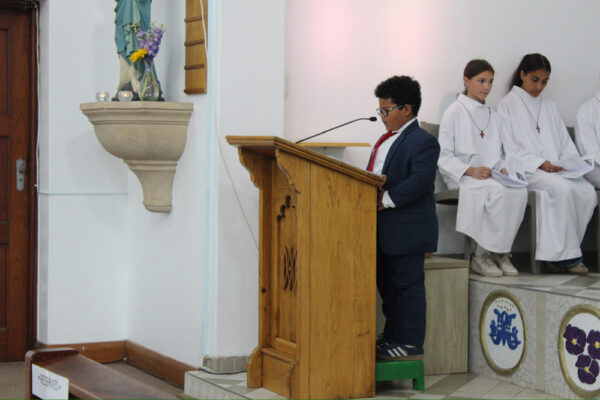
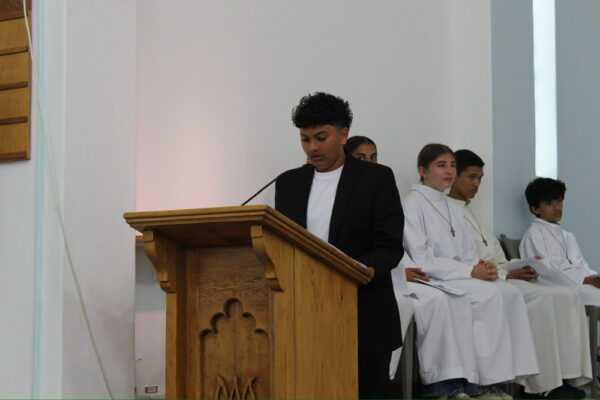
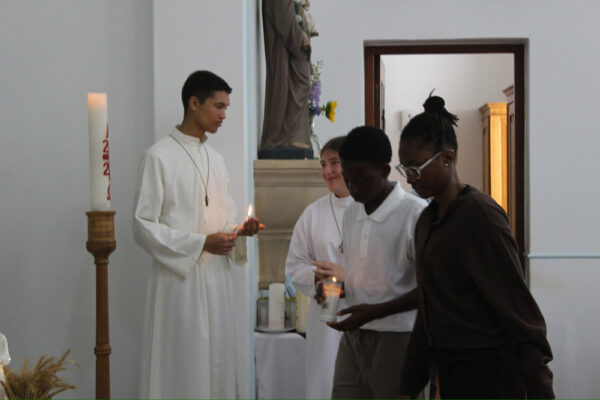
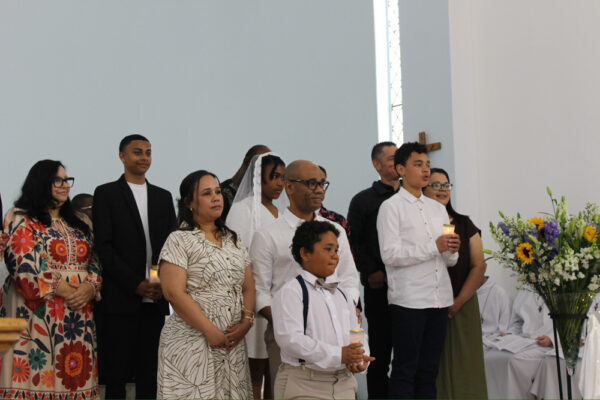
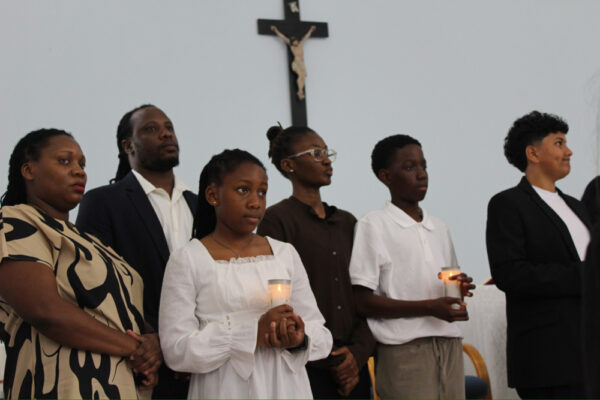
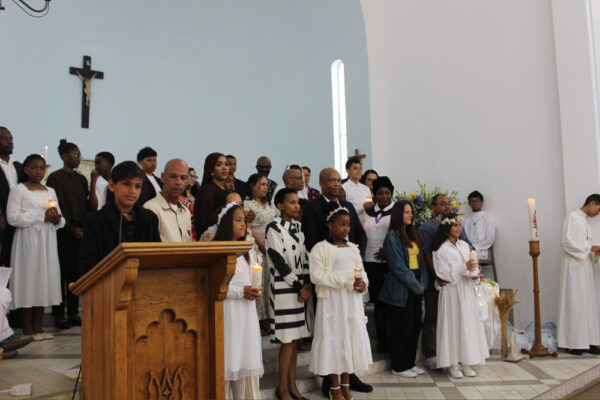
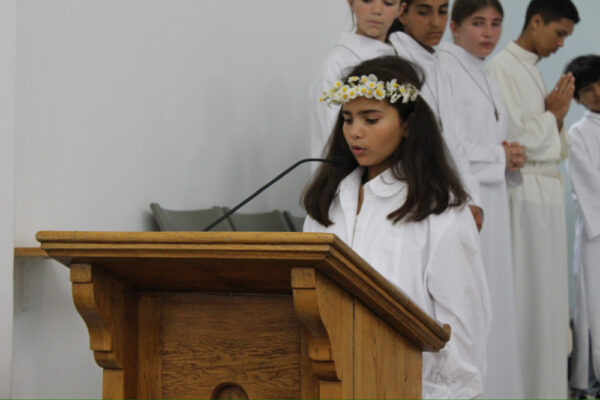
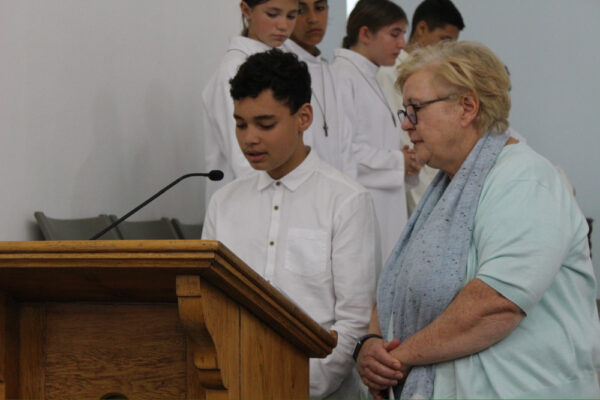
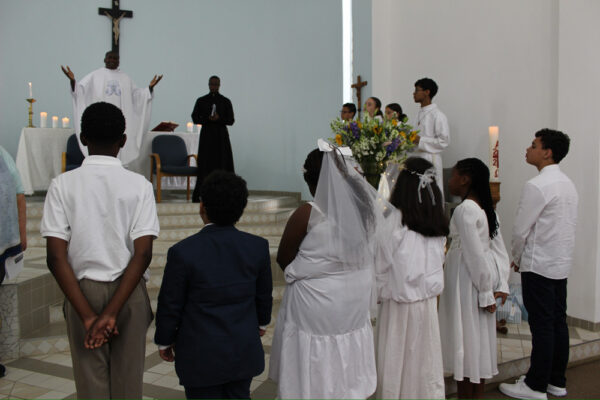
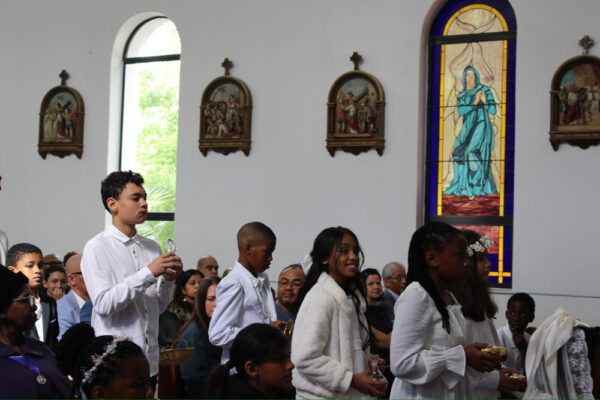
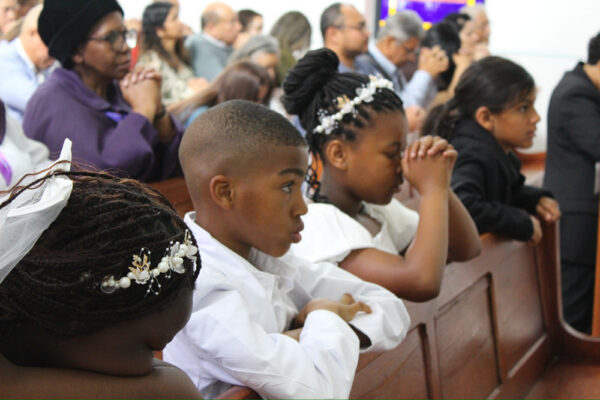
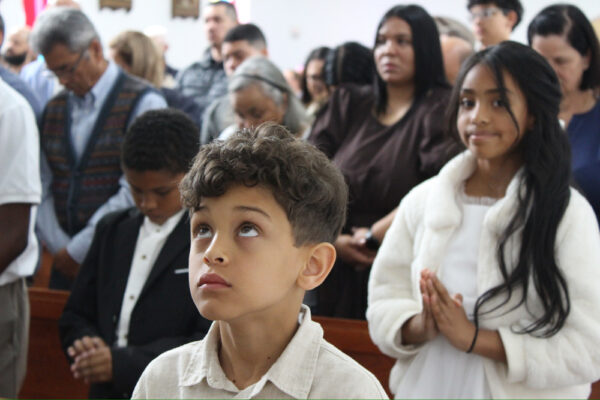
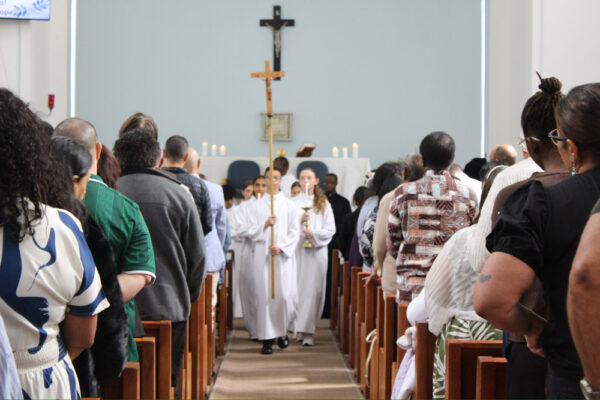
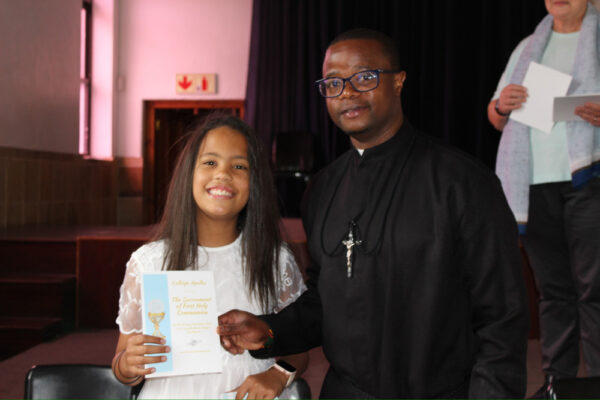
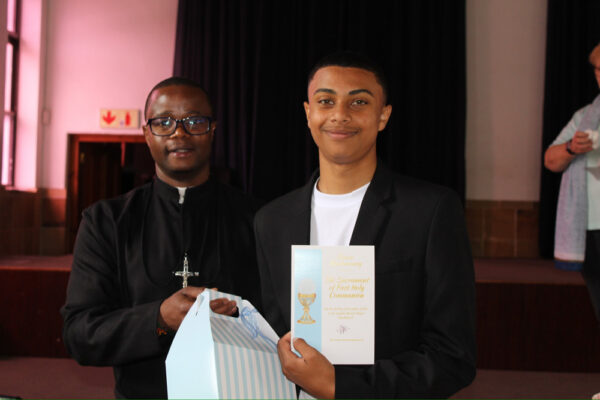
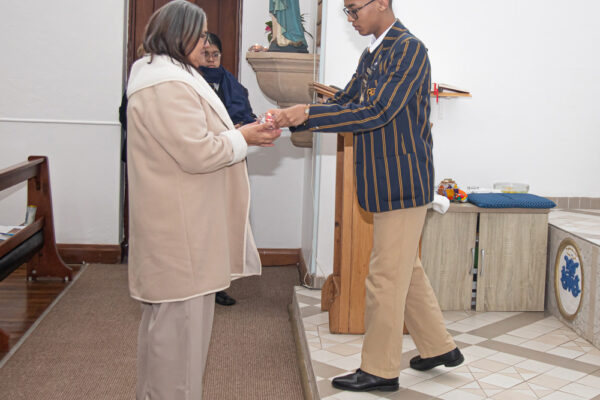
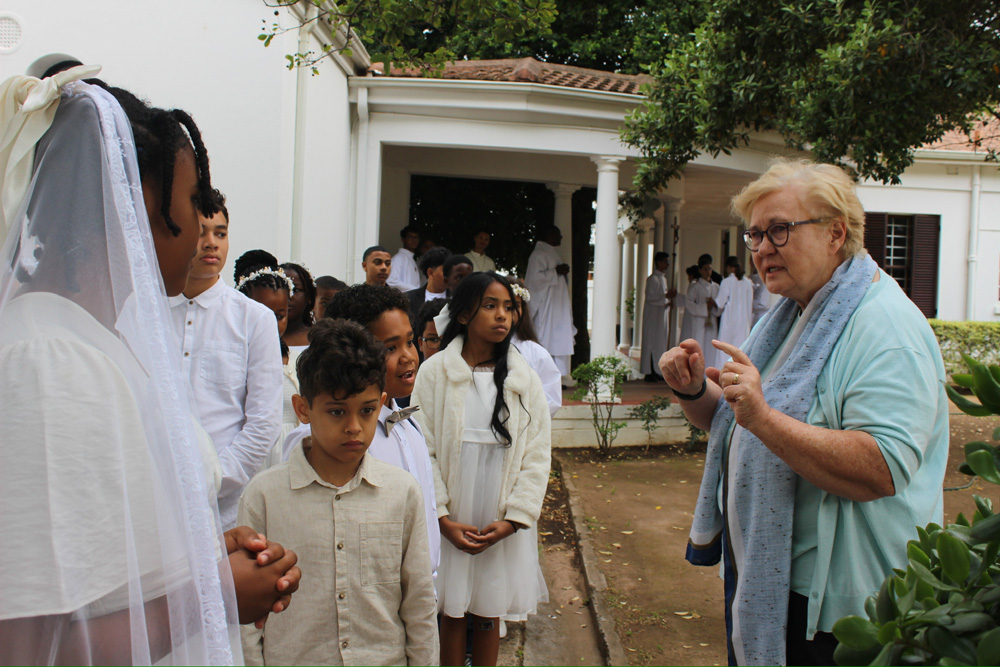
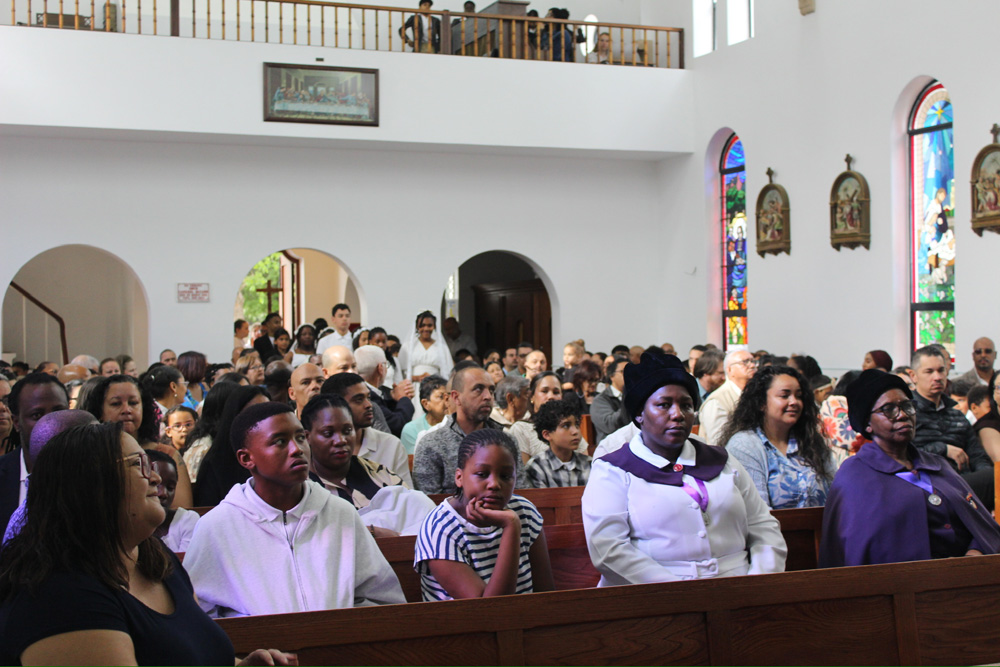
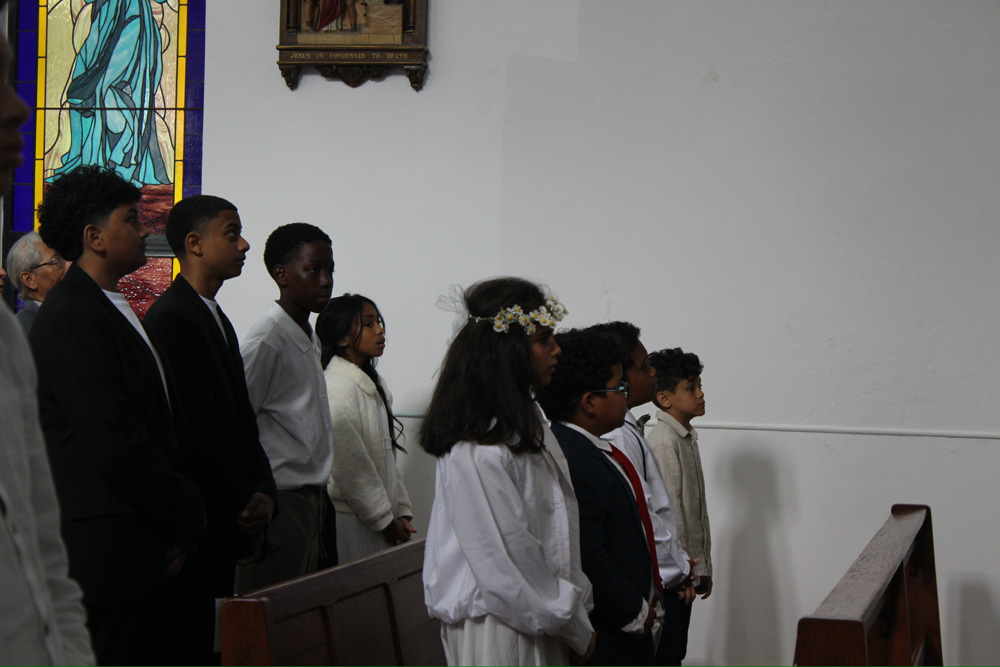
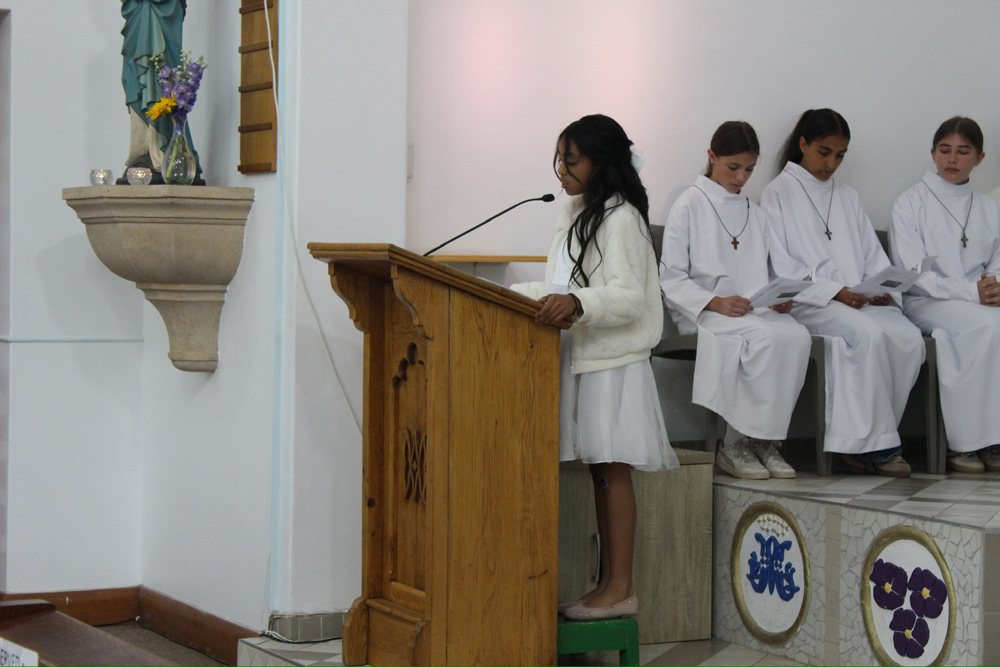
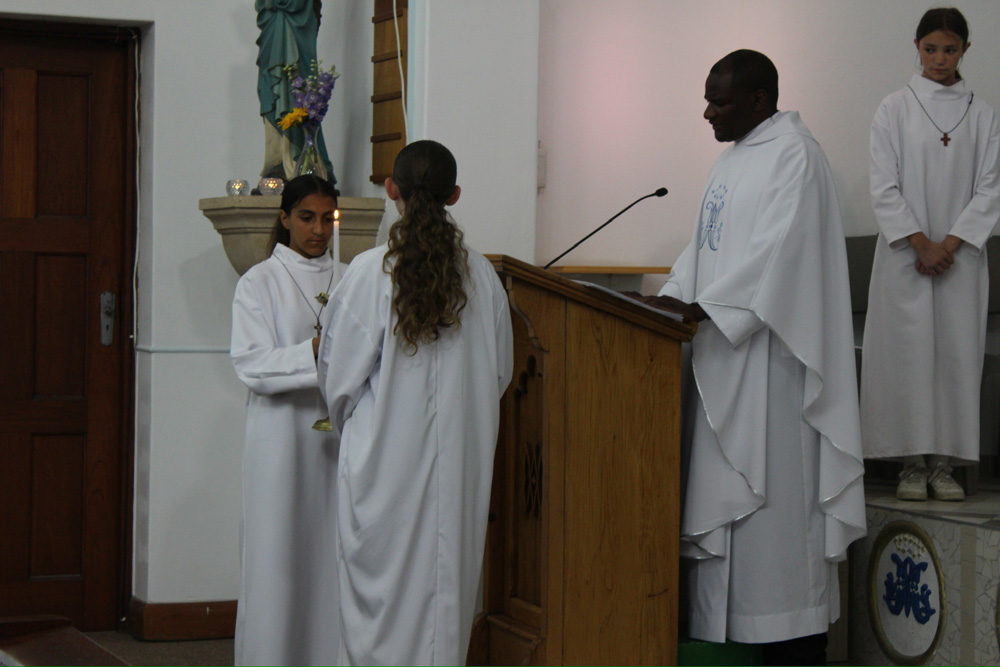
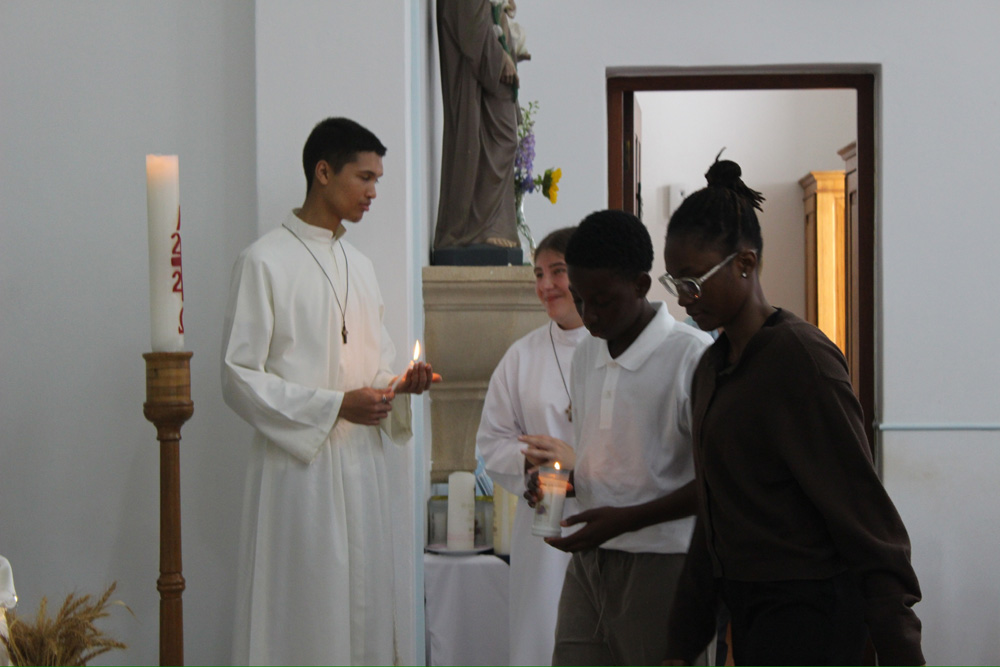
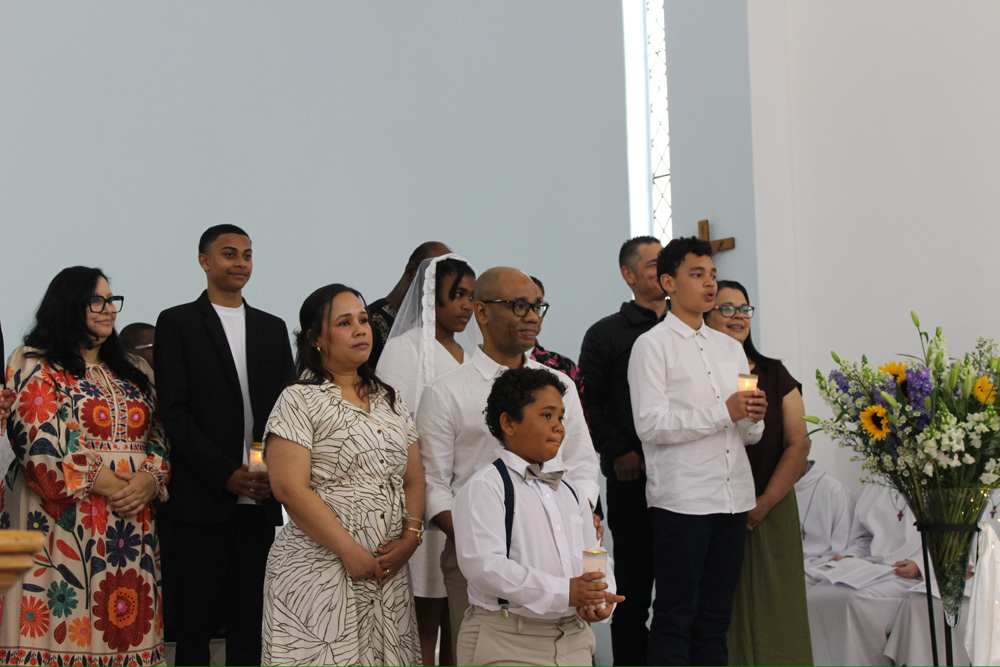
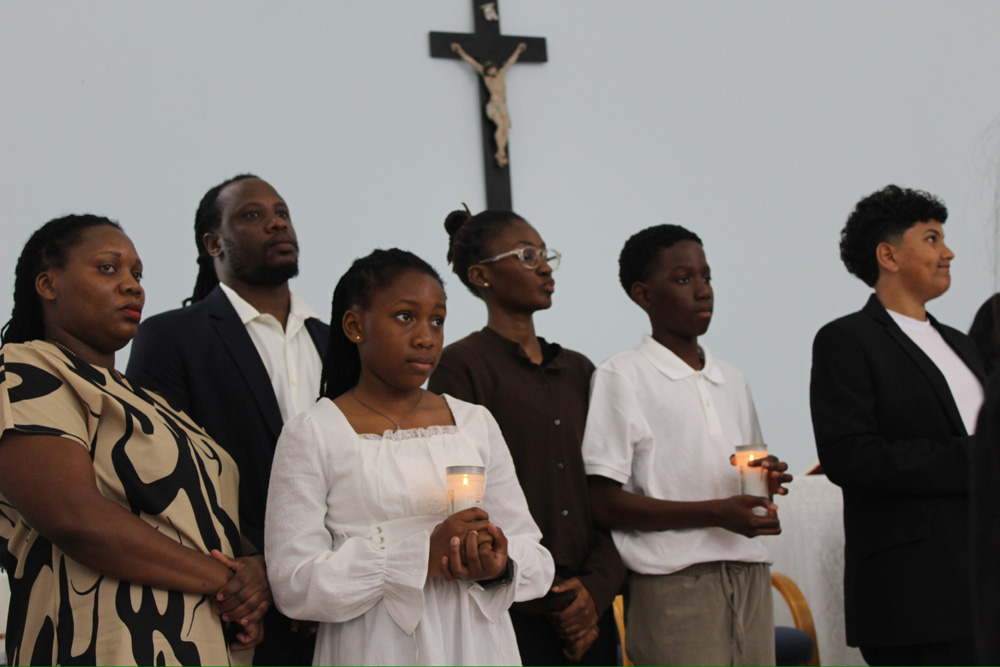
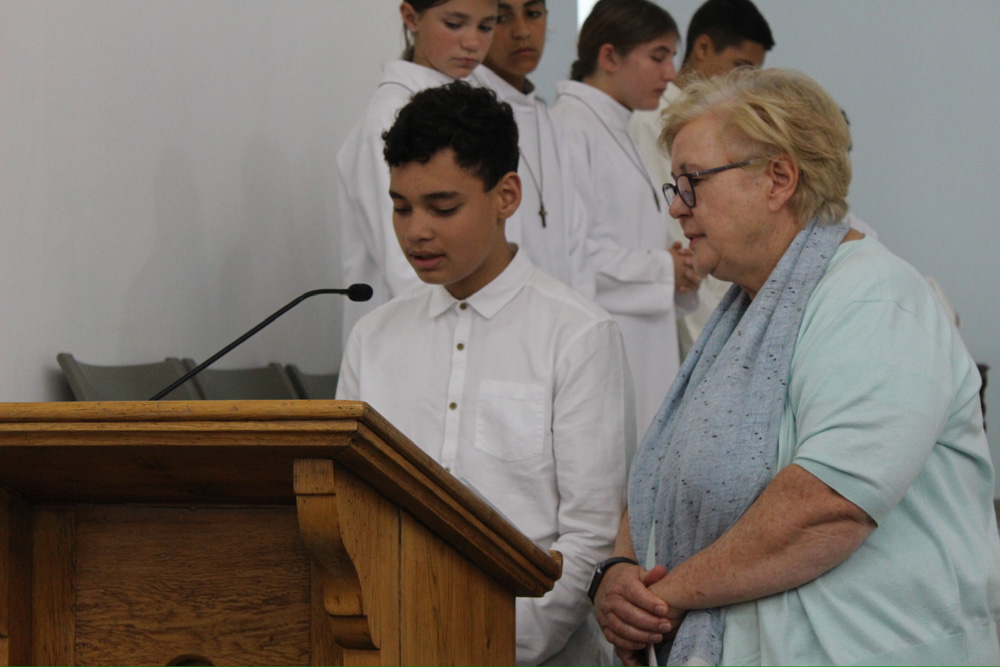
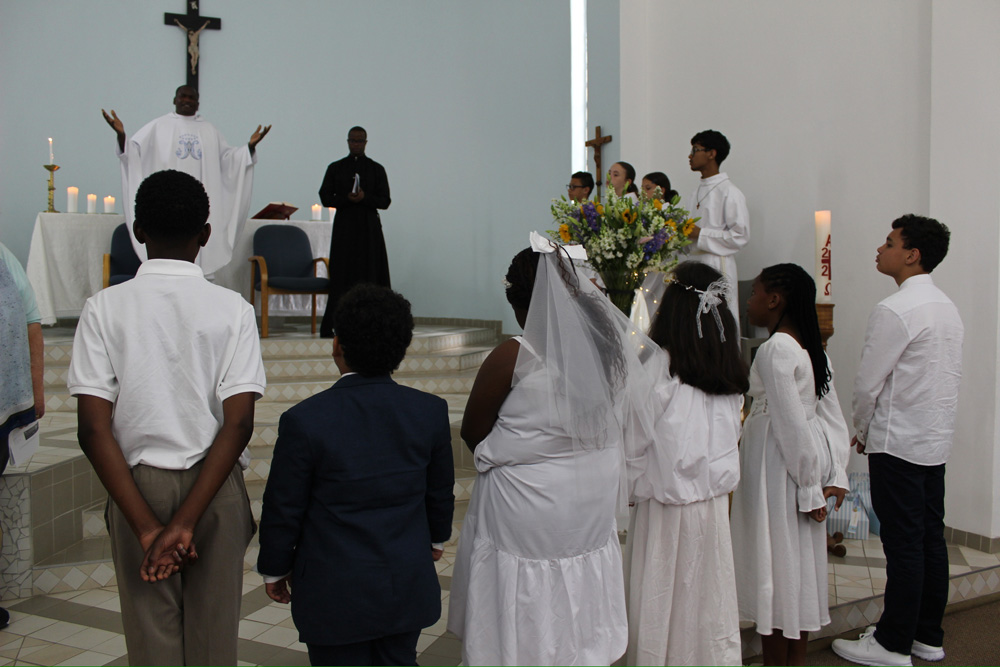
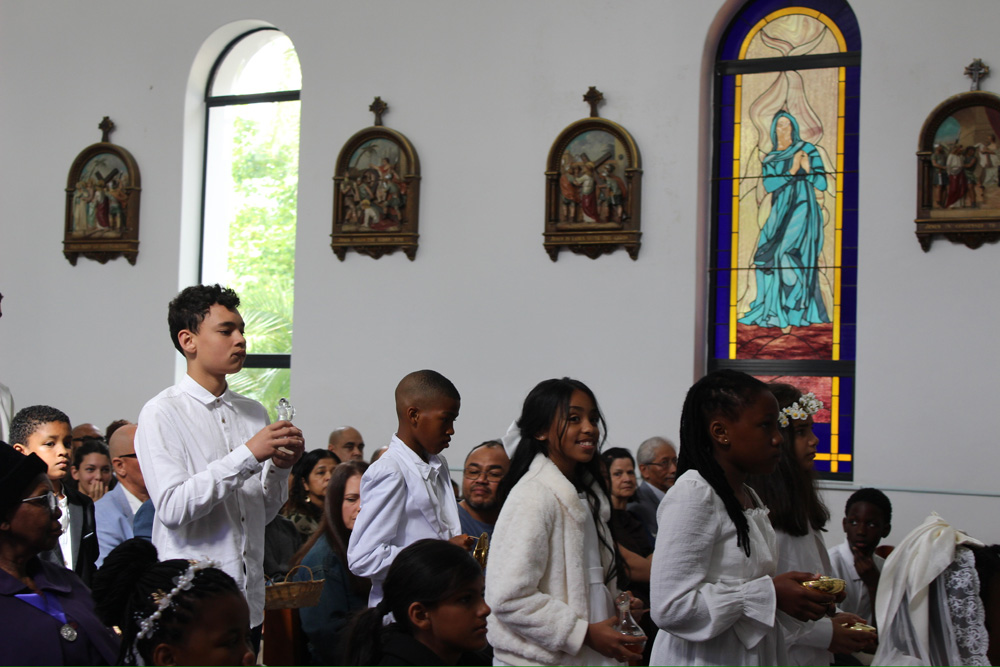
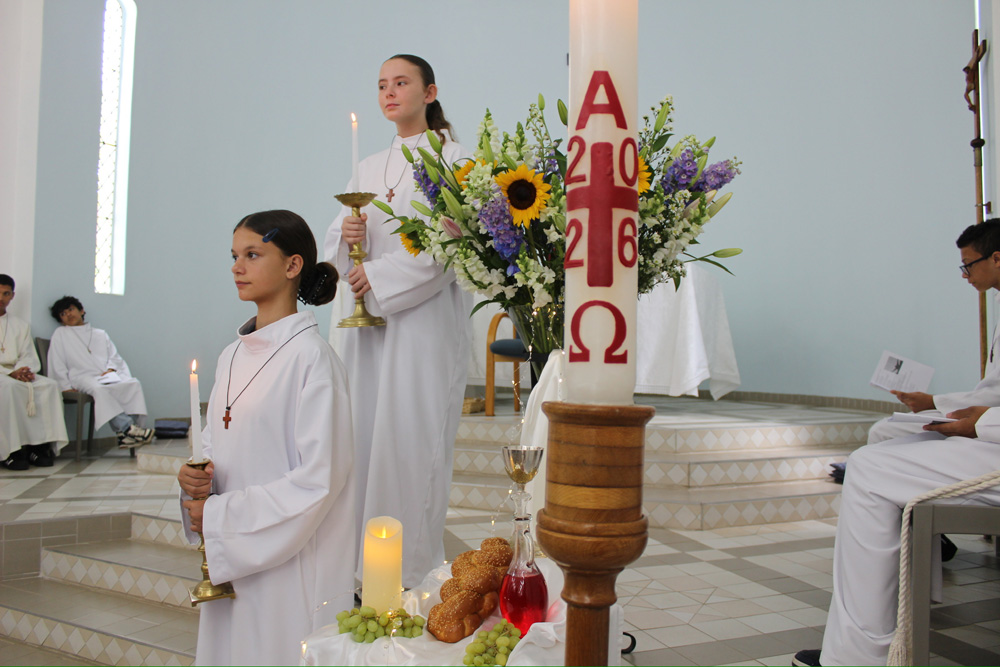
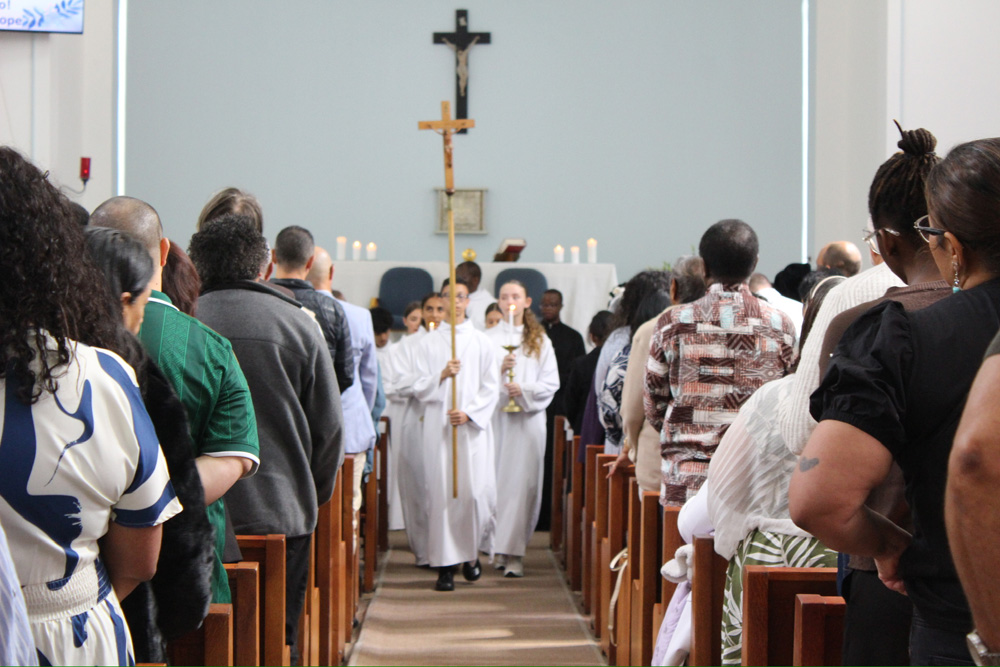
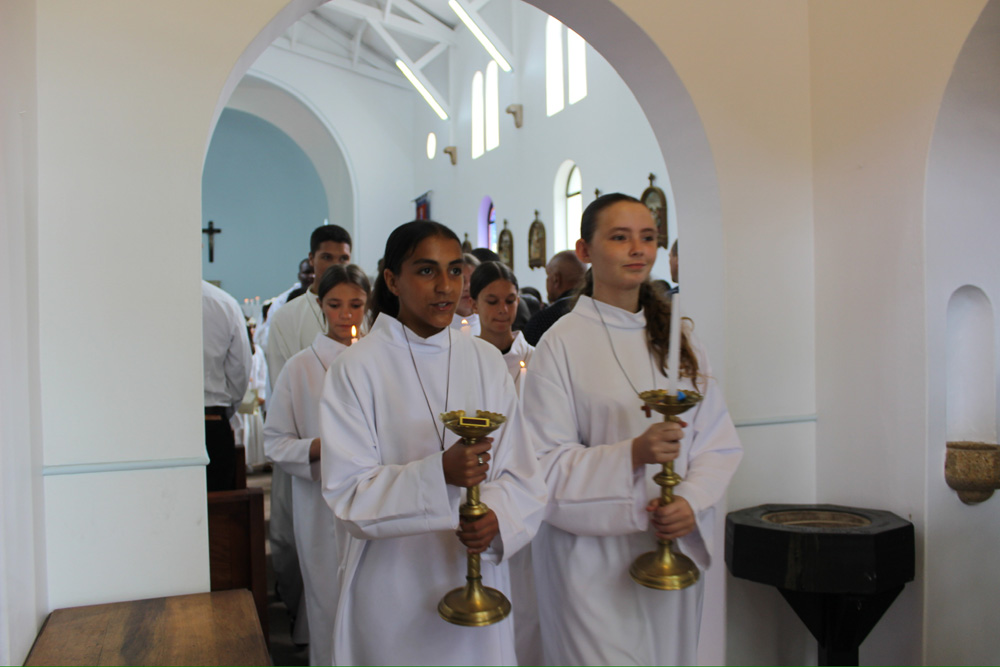
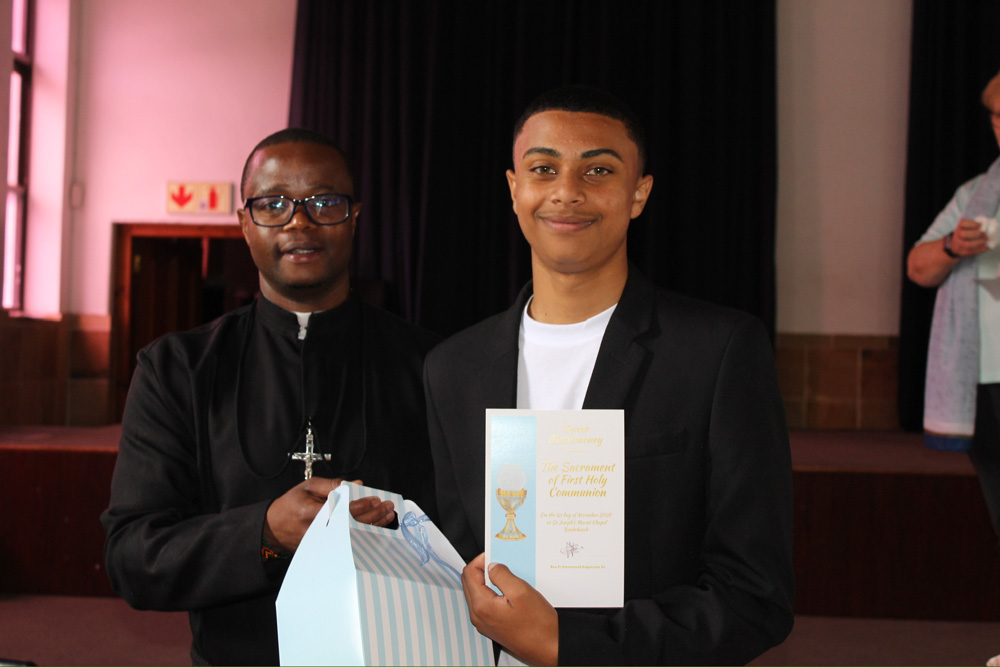
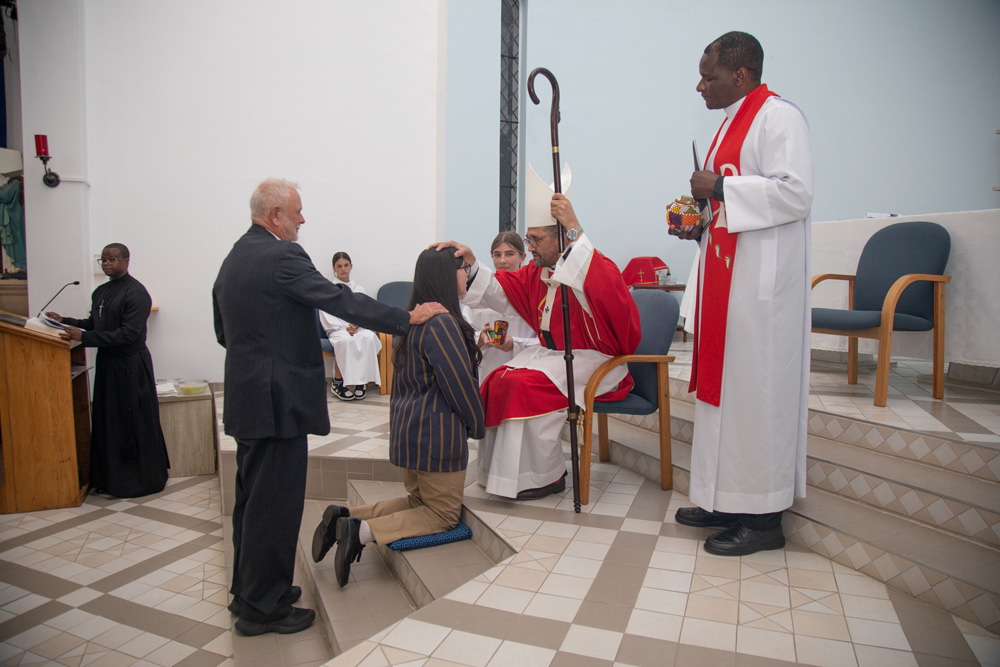
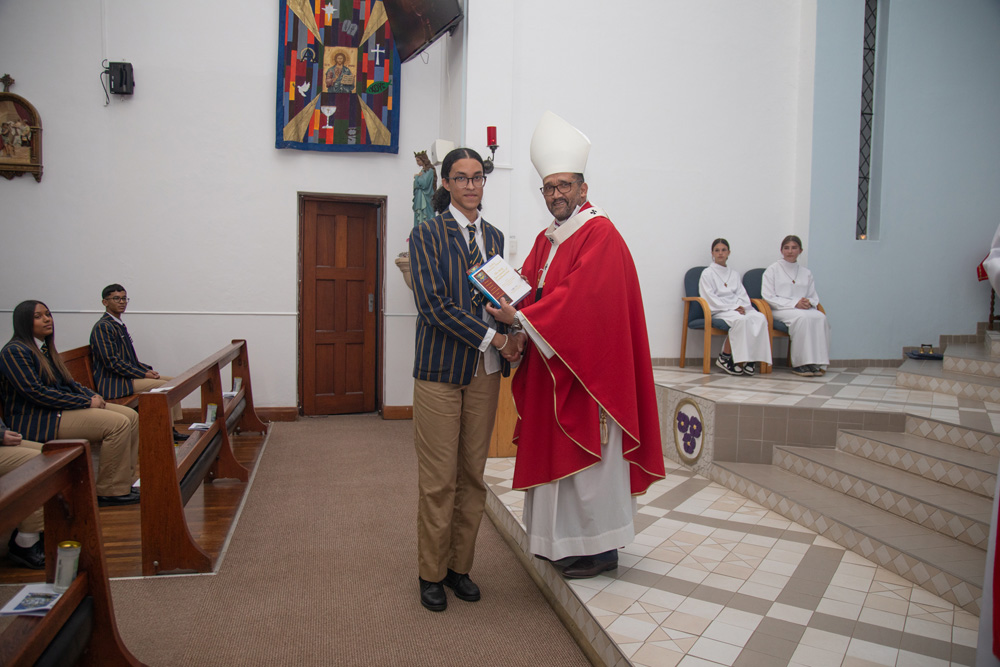
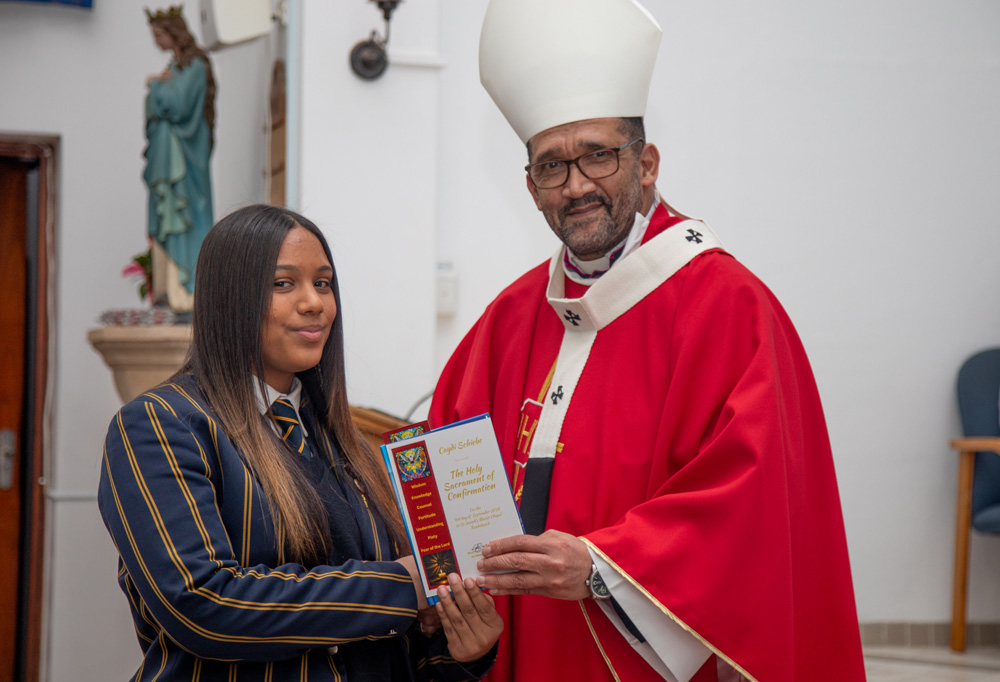
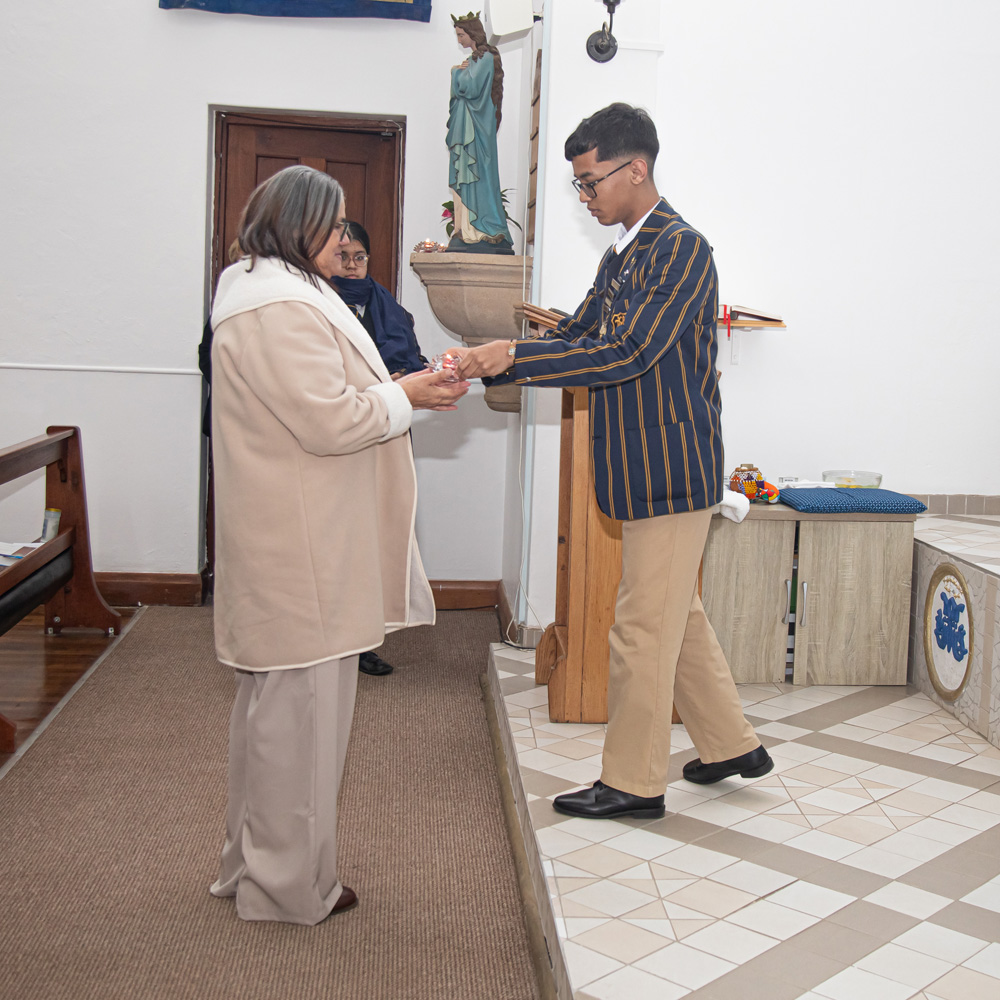
Our First Communicants experienced a glorious day filled with joy, faith and special memories. This marked a wonderful moment in their faith journey as they received this sacrament for the first time.










The conversation that shapes how your child learns
Tonight, somewhere between dinner and bedtime, you will probably ask your child how school went. Whether they are four or fourteen, the question is the same. It feels like a small moment. It is not. The way that conversation unfolds can build your child’s confidence, or slowly wear it down, and most parents never realise how much is riding on it.
The good news is that the shift that makes the biggest difference has nothing to do with more studying, stricter homework routines or extra lessons. It has to do with the words we use.
In my 20 years of teaching, I have watched children transform academically. Not because they suddenly worked harder, but because someone changed the conversation around their learning, both at school and at home.
When praise sends the wrong message
One of the most common patterns I see is praise tied to results. “You are so clever.” “You got top marks.” These words come from a place of love, and every parent says them.
But children are listening for what lies underneath. What many of them hear is this: I am valued when I succeed. And if success is what earns approval, failure starts to feel like a risk to that approval.
So they adjust. They stick to what they already know they can do well. They avoid the harder problem, the new subject, the class where they might not shine straight away. Quietly, without anyone noticing, they stop taking the kinds of risks that real learning depends on.
What a growth mindset really means
The idea that makes the difference is called a growth mindset. The term comes from the work of Stanford psychologist Carol Dweck, and at its heart is a simple belief: ability is not fixed. It grows through effort, good strategies and persistence.
A child with a fixed mindset tends to think, “I am just not a maths person.” A child with a growth mindset is more likely to think, “I have not worked this out yet.” That small difference shapes how they respond to every challenge they meet.
A growth mindset is not something we can lecture into children. It is built gradually, and it starts with language.
The words that become their inner voice
When your child is struggling with something, the instinct is to step in and fix it. Instead, try saying: “This is hard, and you are going to figure it out.” You are not leaving them alone with the problem. You are telling them you believe they can solve it.
When a test comes back with a disappointing mark, resist the urge to focus on the number. Ask: “What did you learn from this?” The grade is a moment. What they take from it is what lasts.
A few gentle swaps can make a real difference:
| Instead of | Try |
| You are so clever. | You worked really hard on that, and it shows. |
| You got top marks! | How did you prepare for this one? |
| Here, let me show you. | What have you tried so far? |
| Never mind, maths is not your thing. | You have not got it yet. What could you try next? |
| What did you get? | What was the most interesting thing you learnt today? |
Over time, the language we use with children becomes the language they use with themselves. A child who speaks to themselves with curiosity rather than criticism walks into every lesson differently.
Let them sit in the difficulty
Watching a child struggle is uncomfortable. Every loving parent wants to make it easier. But that moment of not knowing, of turning a problem over and trying again, is exactly where learning happens.
A few habits help:
- Praise the process. Notice effort, strategy and persistence rather than marks and rankings.
- Wait a little longer. Give them space to stay with a challenge before you offer help.
- Ask before you answer. A good question (“What do you think comes next?”) does more than a ready-made solution.
None of this means stepping back entirely. It means trusting them a little more, and showing them that difficulty is a normal part of growing, not a sign that something is wrong.
What this looks like at every age
A growth mindset is not a phase-specific idea. It matters as much for a four-year-old building a block tower as it does for a teenager preparing for exams. What changes is how it shows up.
Pre-primary
At this age, learning happens through play, and children are forming their very first beliefs about what they can do.
- Celebrate the trying, not just the finished product: “You kept going even when your tower fell down.”
- Let them wrestle a little with shoelaces, puzzles and zips before you step in.
- Make mistakes out loud yourself, and show them how you fix them calmly.
- Choose stories where characters try, fail and try again, and talk about them together.
Primary school
This is when marks, reading levels and homework enter the picture, and children start comparing themselves to others.
- Add the word “yet” to their sentences: “I can’t do fractions” becomes “I can’t do fractions yet.”
- Ask about strategy: “How did you work that out?” or “What could you try differently?”
- Treat mistakes in homework as useful information rather than something to erase quickly.
- After a test, talk about the preparation and what they will do next time before you talk about the mark.
High school
Teenagers are more self-aware and more sensitive to failure, and labels like “I’m just bad at maths” can quietly harden into identity. Subject choices and exams raise the stakes.
- Lead with questions rather than praise. Teenagers often see through compliments, but they value being asked what they think.
- Share your own setbacks and what you learnt from them. It makes struggle feel normal rather than shameful.
- Resist rescuing them from every consequence. A missed deadline handled well can teach more than a perfect report.
- When they say “I’m not good at this,” gently challenge the label and ask what support would help them improve.
- Respect their growing independence. Offer to talk things through, then let them own the plan.
What changes when children believe they can grow
When children understand that their ability can grow through effort, their whole relationship with school begins to shift. They become more willing to try something new. They recover more quickly when things go wrong. They start to see a hard problem as interesting rather than threatening.
And, perhaps surprisingly, this is often when the results follow. Not because results were the goal, but because a child who is free to take risks and learn from mistakes is finally able to show what they are truly capable of.
Building it together
At St Joseph’s, a growth mindset is not a poster on the wall. It shapes how our teachers give feedback, how we talk about mistakes and how we encourage every child to stretch a little further than they thought they could. From pre-primary through to high school, it works best when the same language carries from the classroom to the kitchen table.
So tonight, when you ask about their day, try one small change. Ask what was hard, and what they did about it. Then listen.
If you would like to see how we nurture this every day, we would love to welcome you. Book a school visit at St Joseph’s Marist College, where every day is an open day.

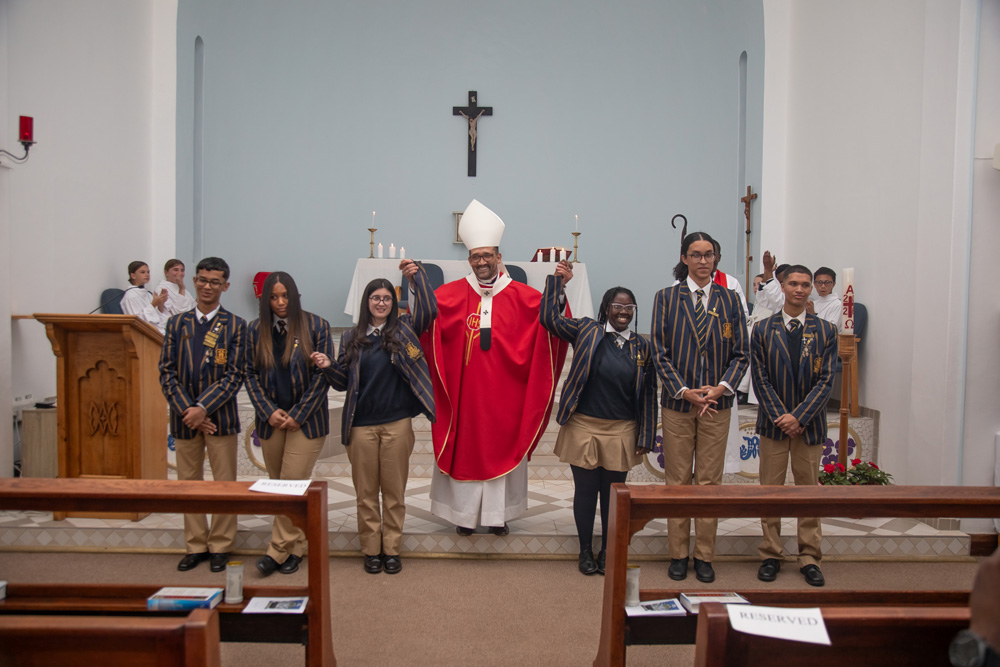
We celebrated our wonderful class of 2026 and all the blessings they have brought to the College over the years. A beautiful valedictory service was held for our Marist family in the Chapel, where we said farewell to the Matrics and wished them well for their final exams. You are in our prayers, Matrics of 2026.









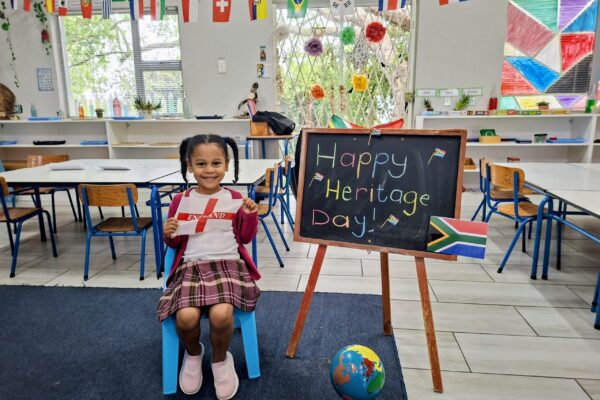
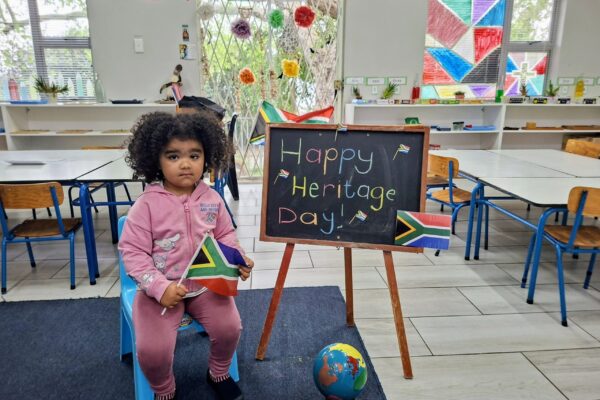
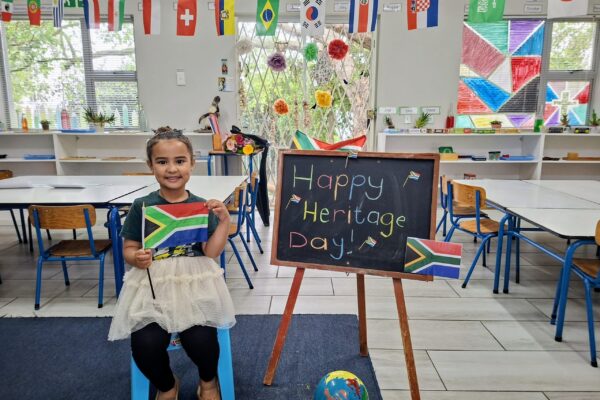
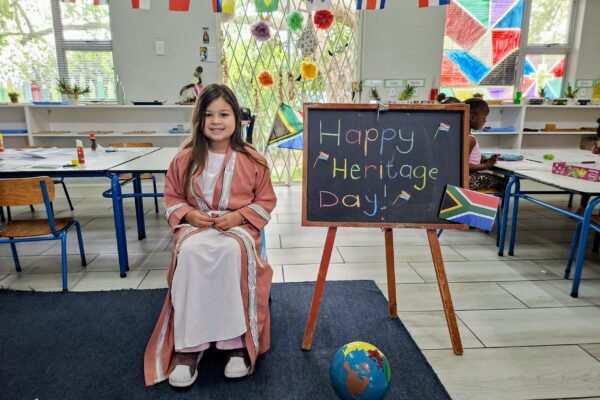
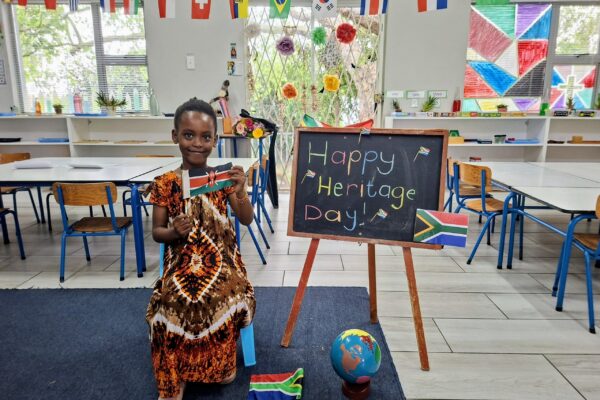
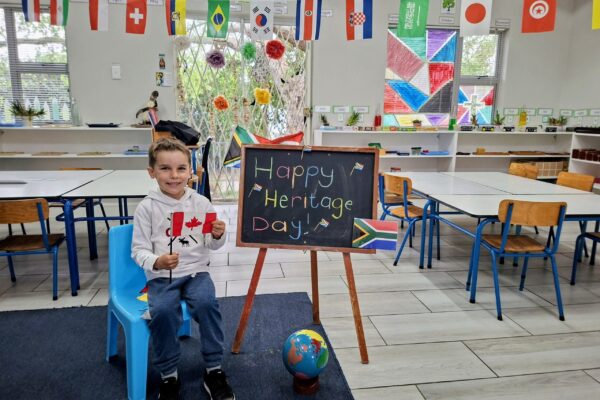
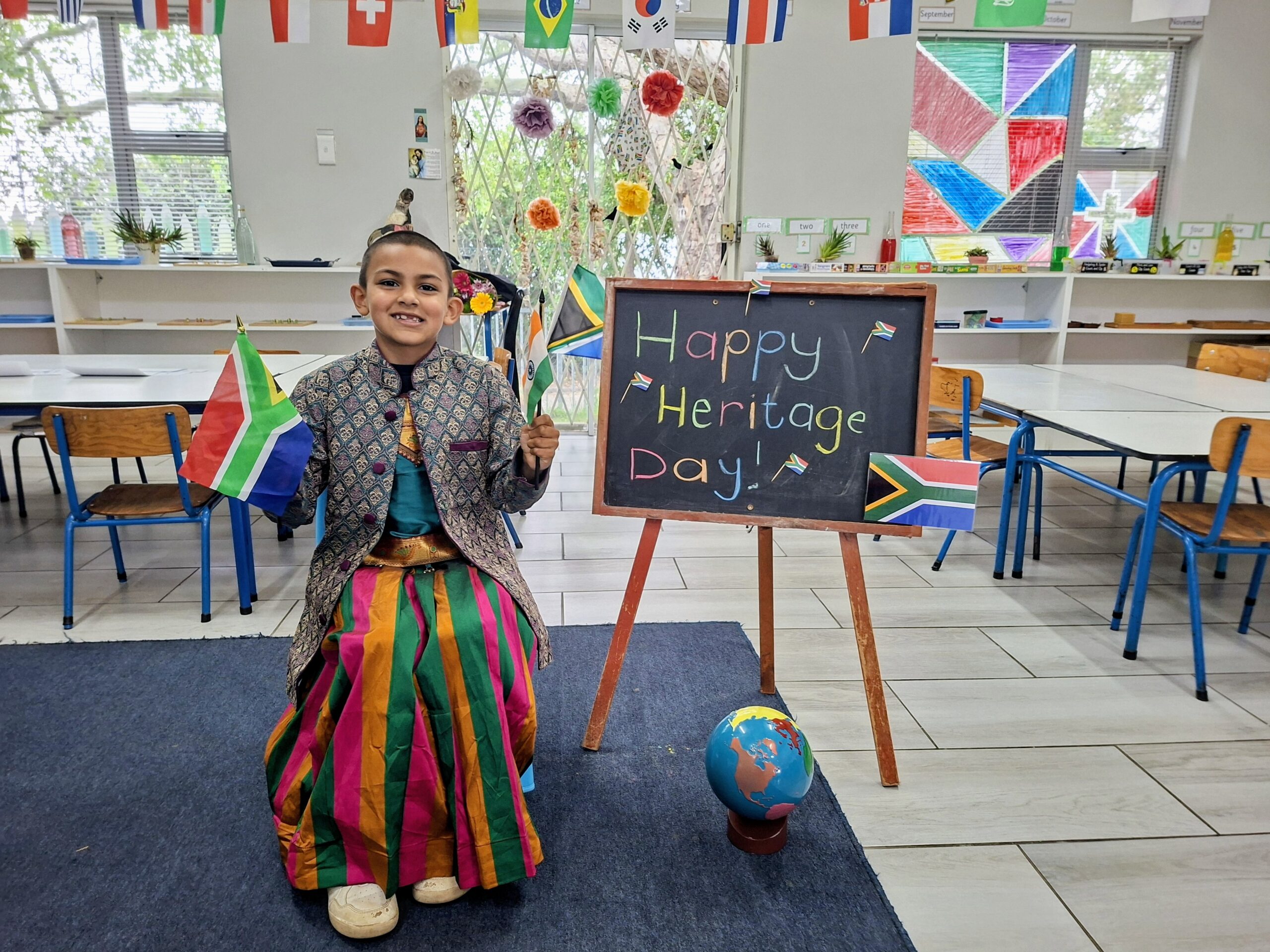
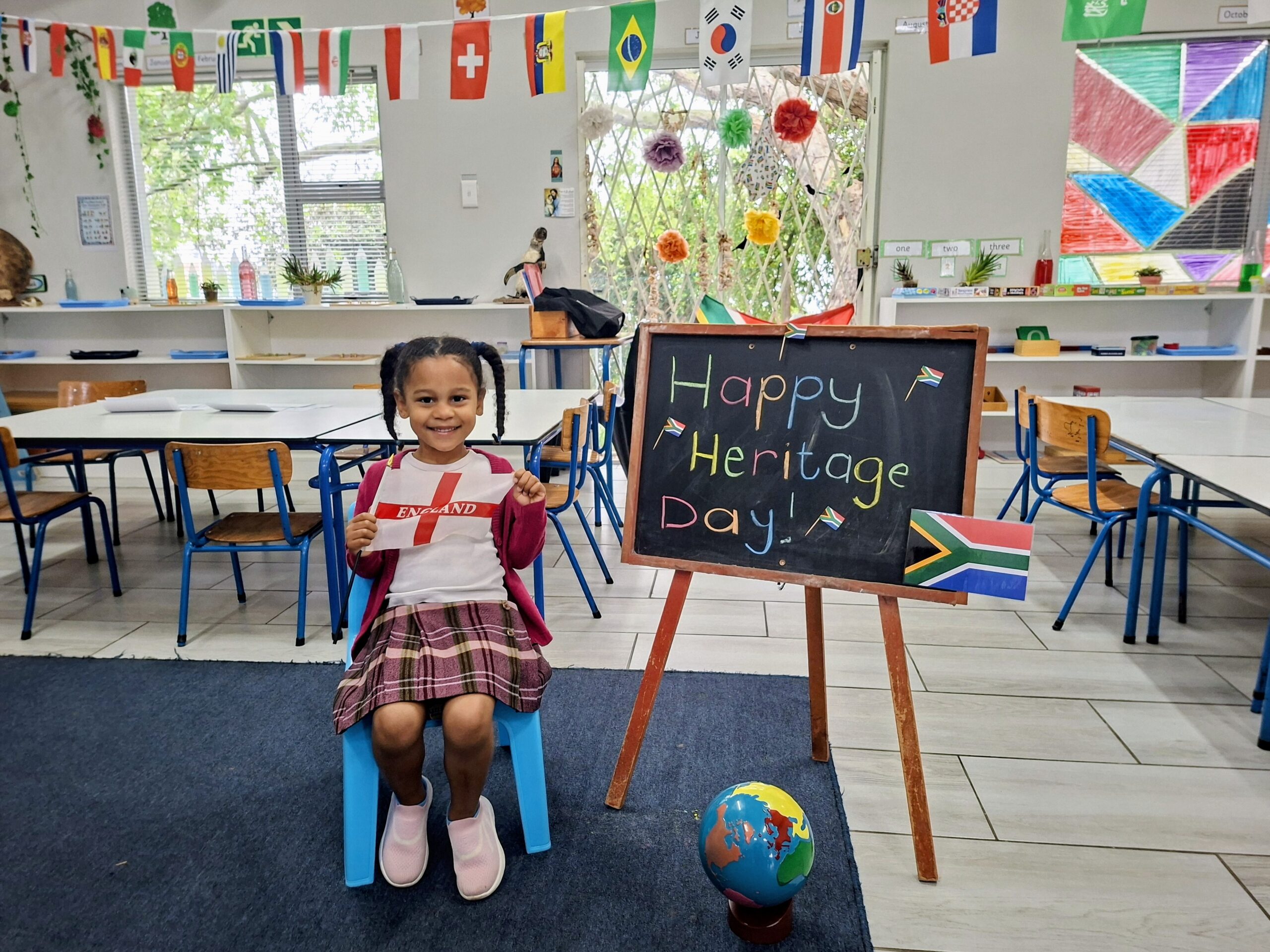
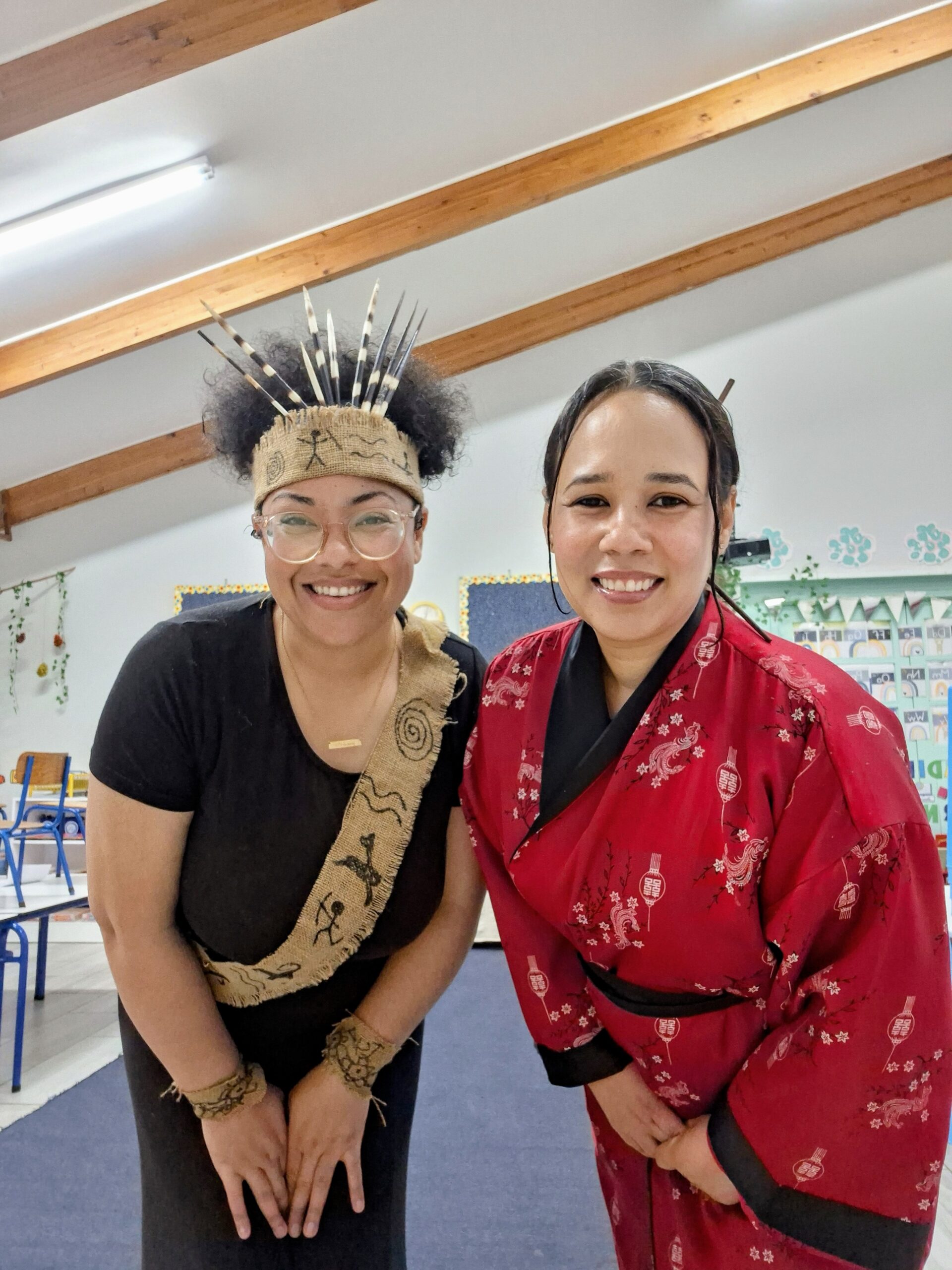
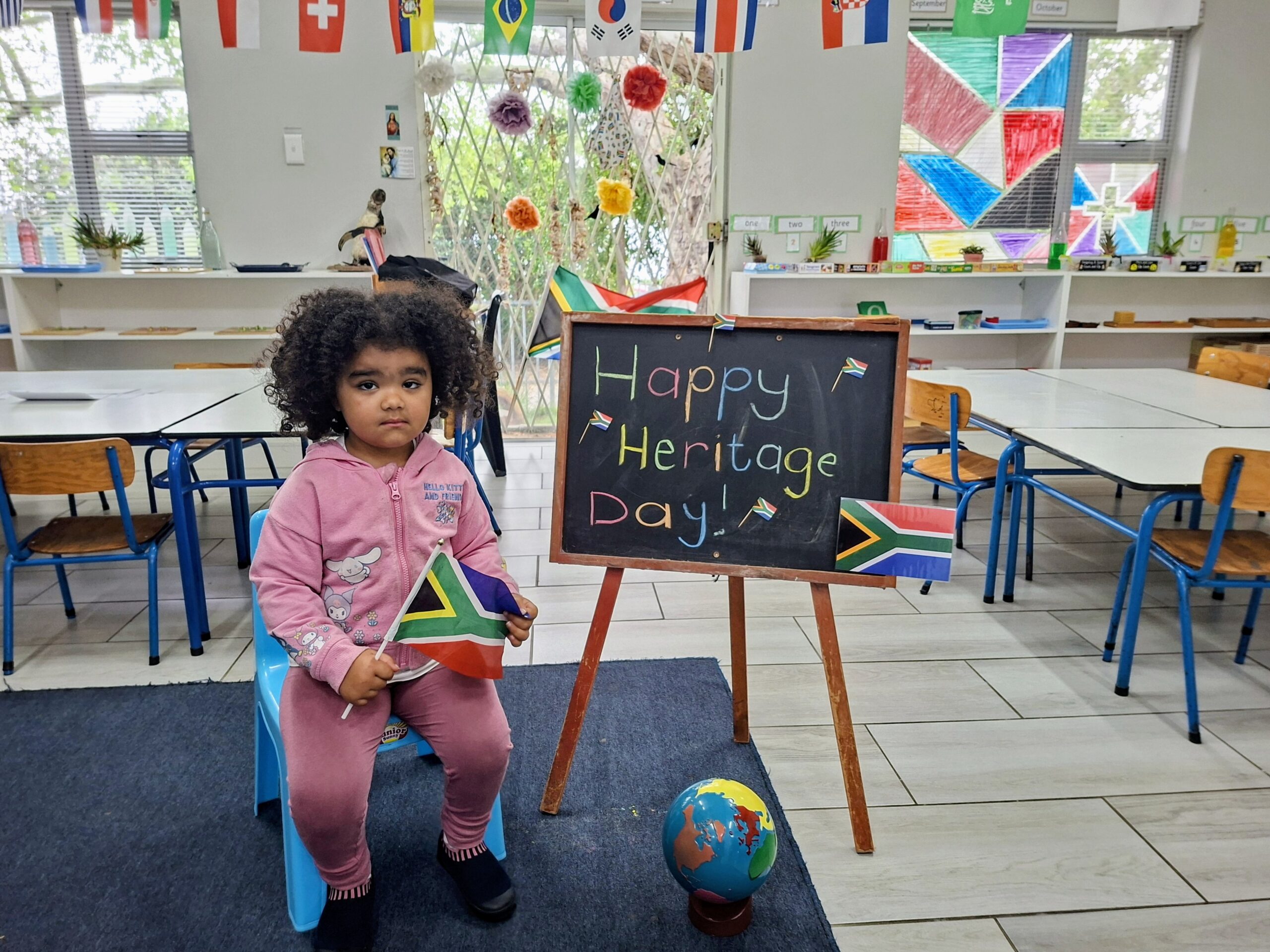
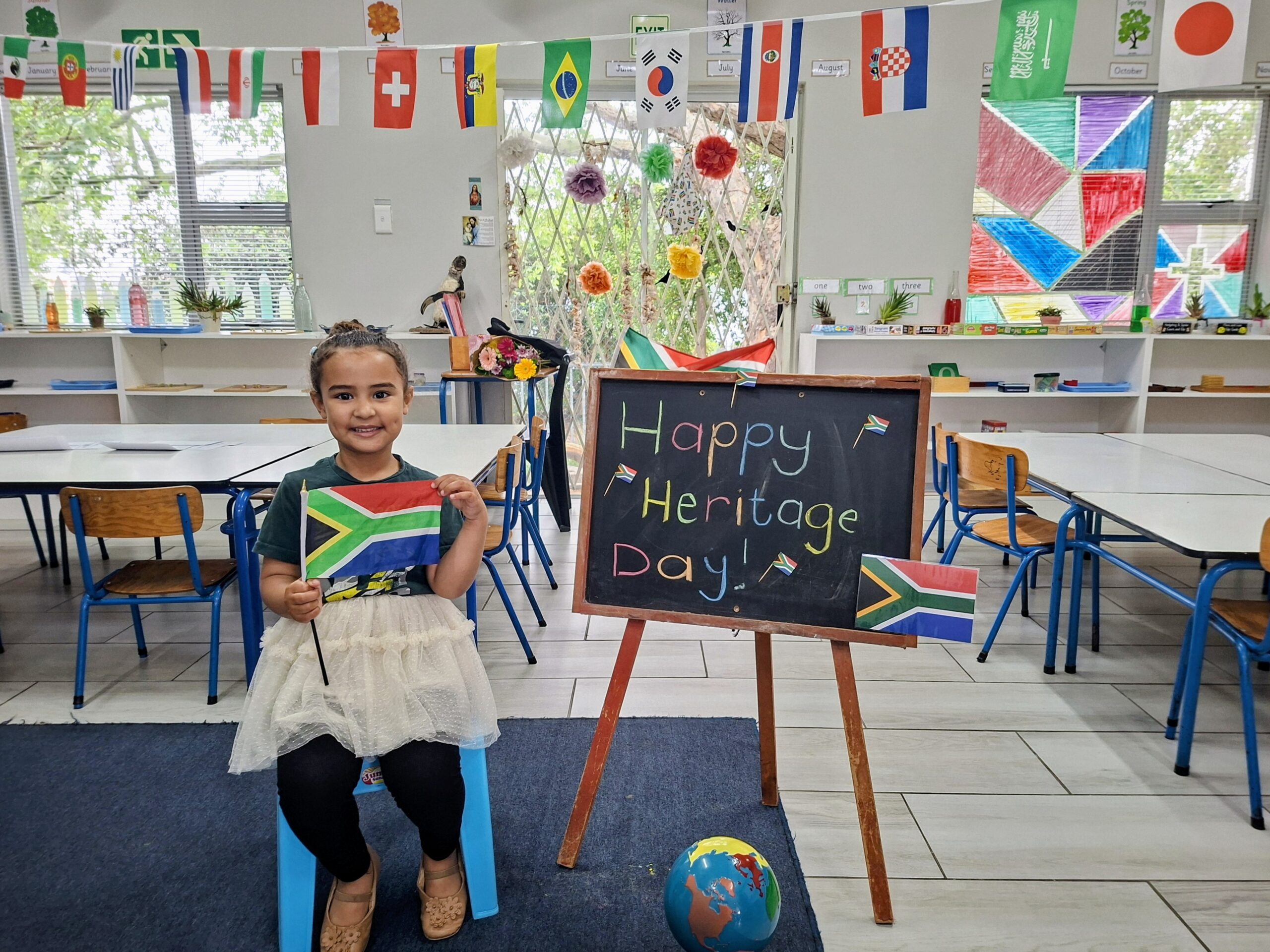
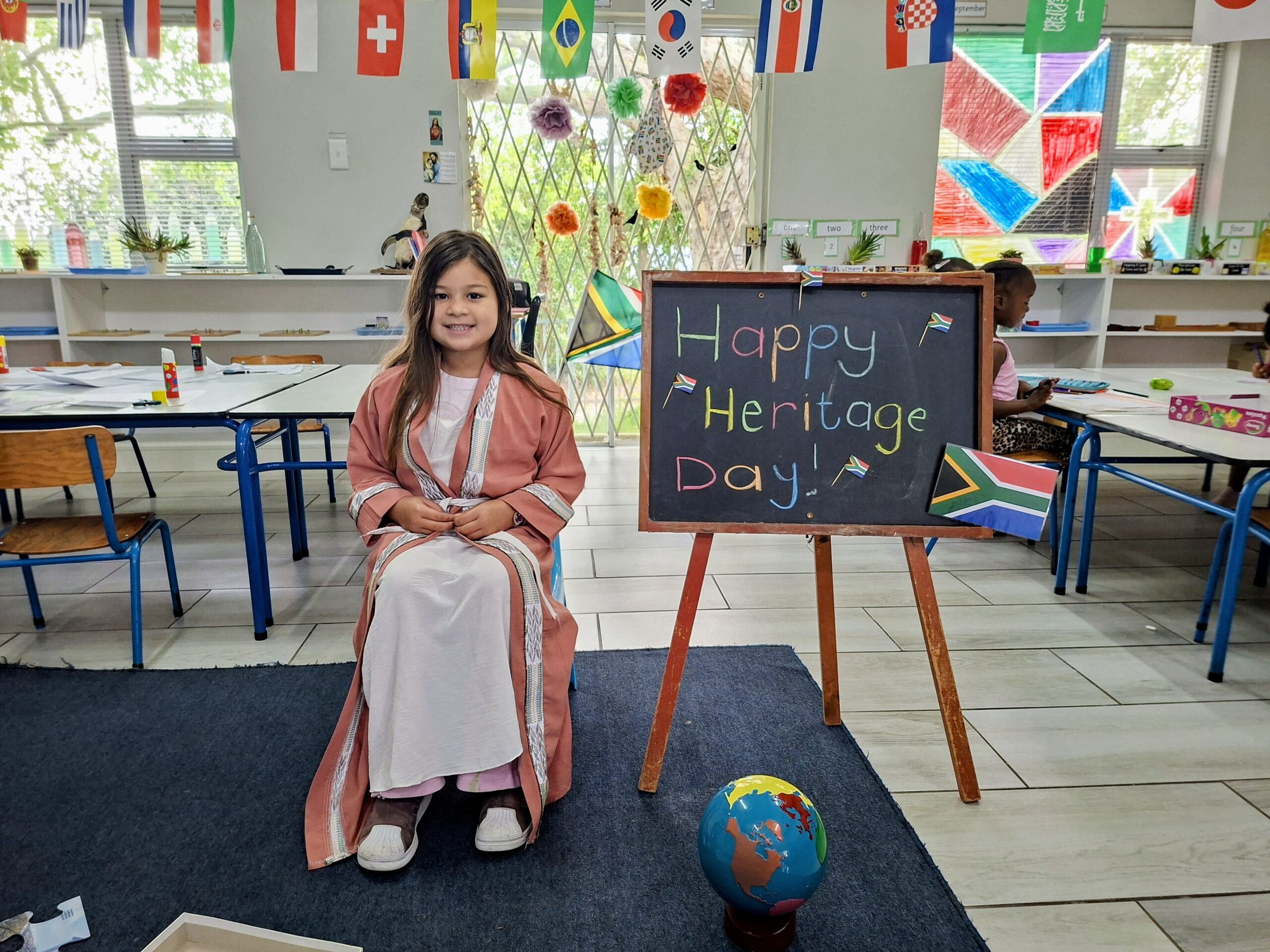
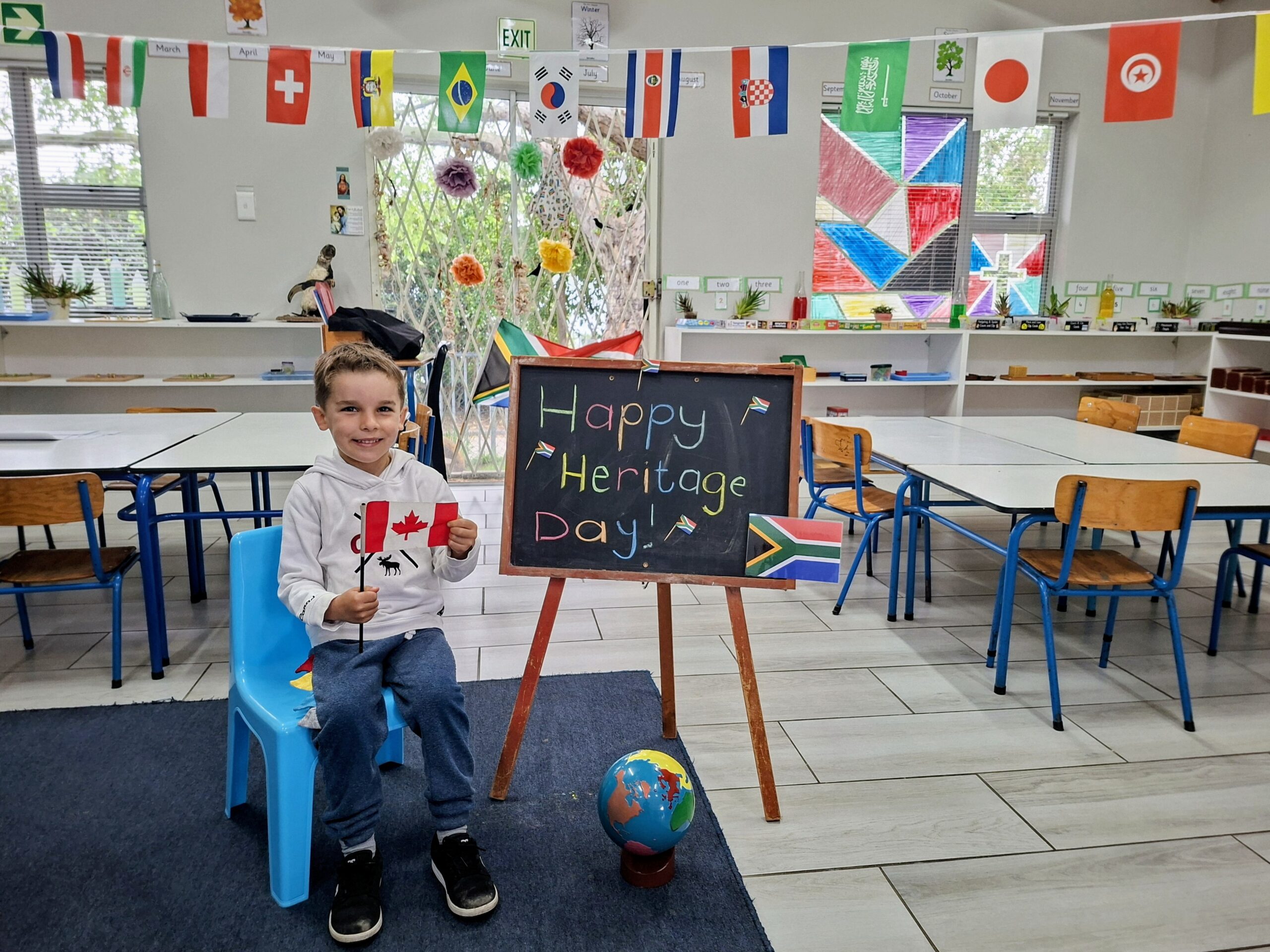
We are proud to celebrate our heritage and the many cultures that make up our joyful Marist family. Happy Heritage Day!





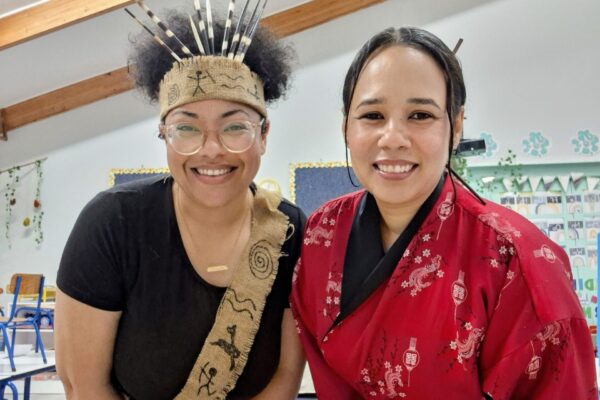
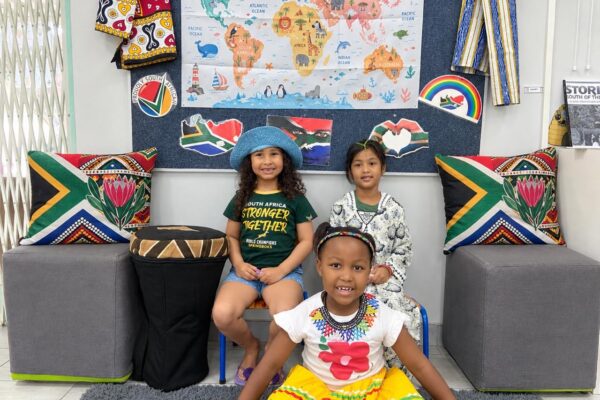

Authentic diversity is key to your child's happiness and success.
There is a difference between a school that tolerates difference and one that genuinely celebrates it. And your child will feel that difference every single day.
When children feel seen and respected for who they actually are, they show up differently.
They are more confident, more open, and more ready to learn. Diversity is not just about who goes to the school. It is about how every person feels there.
Come and see how we live this out at St Joseph’s.
Book a school visit at St Joseph’s Marist College. Where every day is an open day.
Join our Marist Family

The most valuable thing for a child is to experience genuine challenge and not immediately knowing the answer within a safe space. When they feel the determination of working at something difficult and not getting it immediately, that experience teaches them patience and resilience- the ability to stay with something hard until they get through it with the right support.
These are not soft skills. They are the skills that determine whether a brilliant student becomes a capable, confident adult and at St Joseph’s Marist College we guide them towards this throughout their school years with us.


























Recent Comments